
UoN and AgriFoSe2030 strengthen efforts to link Research with Policy and Practice
The University of Nairobi has reaffirmed its commitment to strengthening the link between research, policy and practice following a three-day visit by the AgriFoSe2030 programme team to Kenya from 9th to 11th November 2026. The visit provided an opportunity to review the programme's achievements, assess the impact of its interventions and discuss ways of strengthening research translation to inform policies and address societal challenges.
The delegation, comprising researchers and programme officers from the Stockholm Environment Institute (SEI) and the Swedish University of Agricultural Sciences (SLU), was led by Prof. Elisabeth Rajala, Programme Director of AgriFoSe2030.
On Wednesday, 11th November 2026, the team paid a courtesy call on the Vice-Chancellor, University of Nairobi, Prof. Ayub Gitau. During the meeting, the Vice-Chancellor pledged the University's continued support towards increasing the use of research evidence in policymaking. He emphasised the importance of ensuring that research findings contribute to informed decisions and provide solutions to societal challenges.
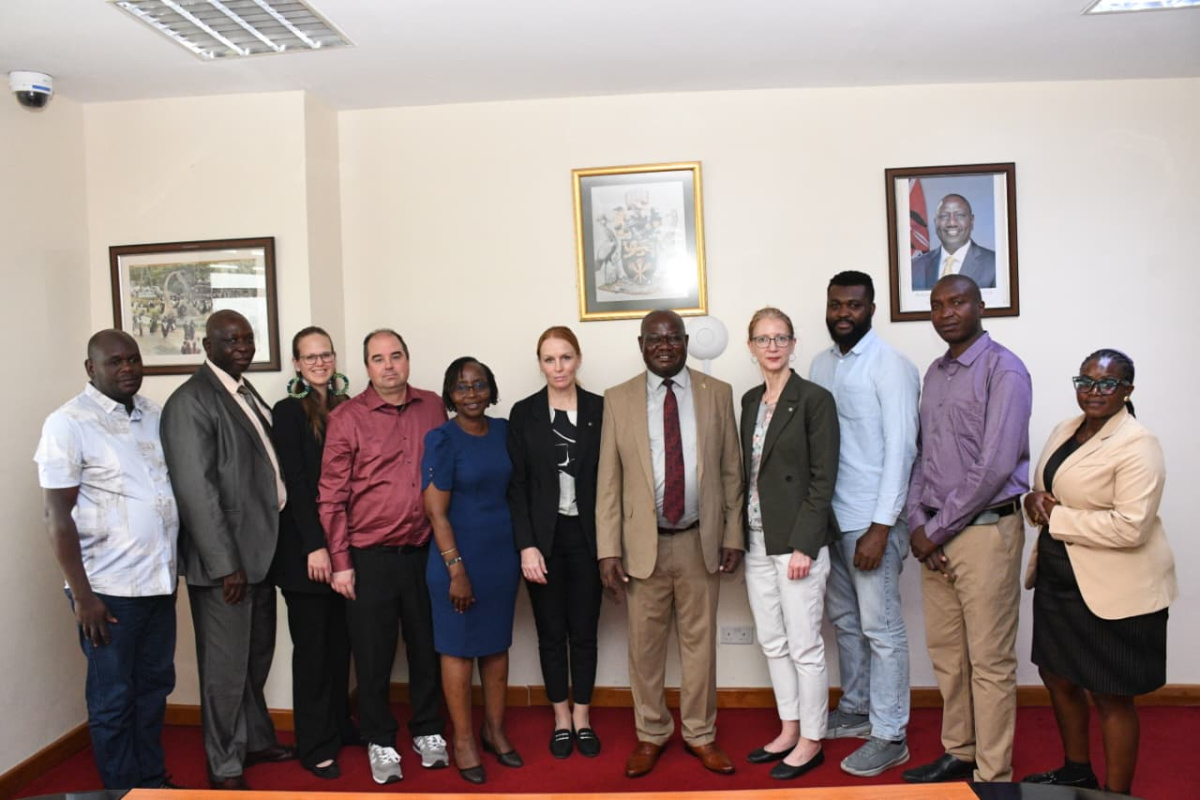
The Deputy Vice-Chancellor, Finance, Planning and Development (DVCFPD), Prof. Josiah Aduda, also reaffirmed the University's commitment to supporting researchers through an efficient financial infrastructure, particularly in the management of research grants. He underscored the importance of efficient financial systems in facilitating research activities and enabling researchers to deliver on their projects.
During the visit, the delegation also met with the Director of Corporate Affairs, Mr. John Orindi and the Communication team before holding discussions with the Research Policy-Practice Linkages Committee. The team was briefed on the progress, activities and impact of the different projects implemented under the programme, with special focus on the Kenya Science Translation Hub.
The Kenya Science Translation Hub has been working to strengthen researchers' capacity to translate scientific findings into practical solutions that can inform policy and improve food systems. Through the Hub, researchers from the University of Nairobi, Maseno University and the University of Embu have received training in Science Translation and Theory of Change (ToC) courses. The training has also supported the development of Trainers of Trainers who can continue sharing these skills and strengthening research translation within their institutions.
The Hub also supports a Research Policy-Practice Linkages Committee, which brings together representatives from government, the private sector, government research agencies and universities. The committee provides a platform for researchers and policy actors to engage, share knowledge and identify ways through which research evidence can influence policies and practices, particularly within food systems.
Prof. Rajala applauded the Kenya Hub for its achievements and the impact made through building the capacity of Trainers of Trainers across the three universities. She also commended the work of the Research Policy-Practice Linkages Committee, noting its important role in connecting research with policy and influencing decisions in food systems.
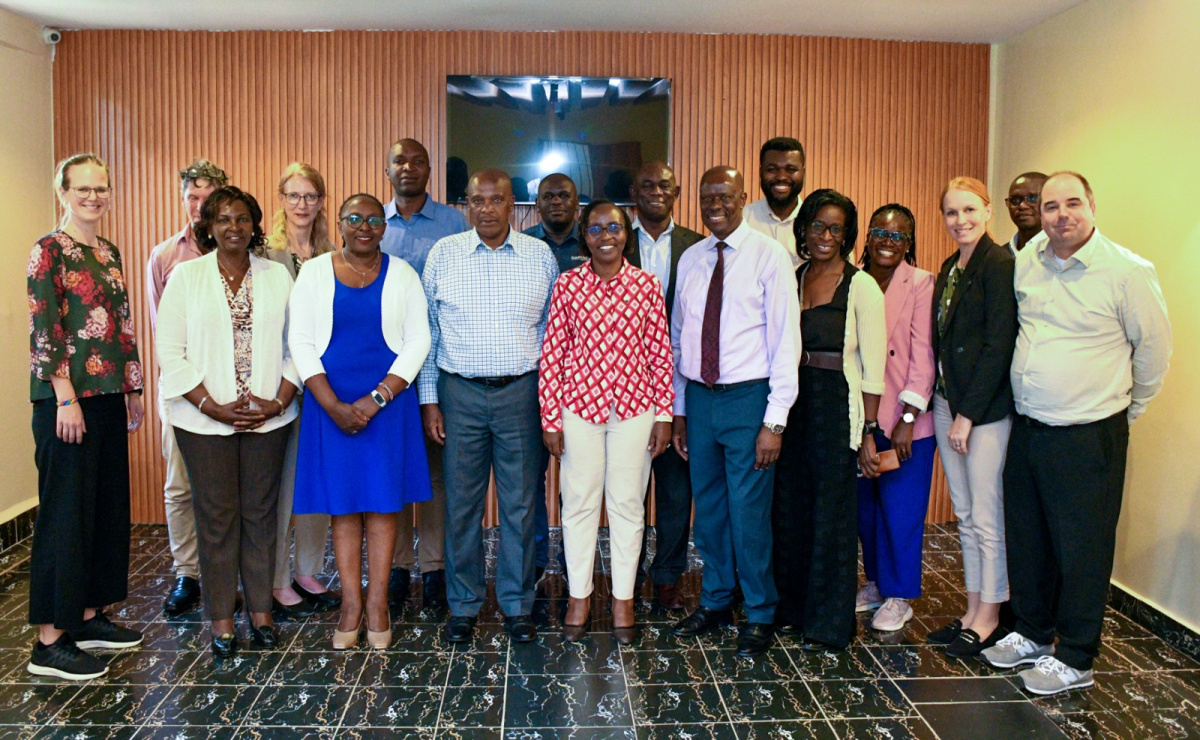
She challenged the Kenyan team to identify achievable and impactful activities that the Hub should prioritise over the next year. She emphasised the need to build on the progress already made and focus on activities that can demonstrate clear results and strengthen the contribution of research to policymaking.
Prof. Cecilia Moraa, the Hub lead, while briefing the team on the progress of the hub, mentioned the other networks within the University that are available for collaboration. The discussions also explored how the University of Nairobi could further strengthen its institutional support for research translation. The University has several structures that support research and innovation, including the Division of Research, Innovation and Enterprise and the Intellectual Property Management Office. It also holds annual Research Week and Innovation Week events, which provide opportunities for researchers to showcase their work and engage with different stakeholders. In addition, the University works closely with government research agencies to advance research and innovation.
The engagement raised an important question on whether the University has a structured process for translating research into policy and practice. Discussions focused on identifying existing gaps and exploring how institutional structures, partnerships and research platforms could be better coordinated to ensure that research findings move beyond academic publications to inform decisions and solve real-life challenges.
The visit provided an opportunity for the University and its partners to reflect on the progress made and identify areas that require greater attention. It also reinforced the importance of institutional support, efficient research funding systems and strong partnerships in ensuring that research evidence is accessible, understood and used by policymakers and other stakeholders.
AgriFoSe2030 has been implemented in Kenya through the University of Nairobi for the last 10 years.
